From Roman colony to Mediterranean cultural capital
Every ride and every stop reveals a different chapter of Valencia’s identity, where memory and modern life coexist with striking harmony.
Table of Contents
From Valentia to modern Valencia
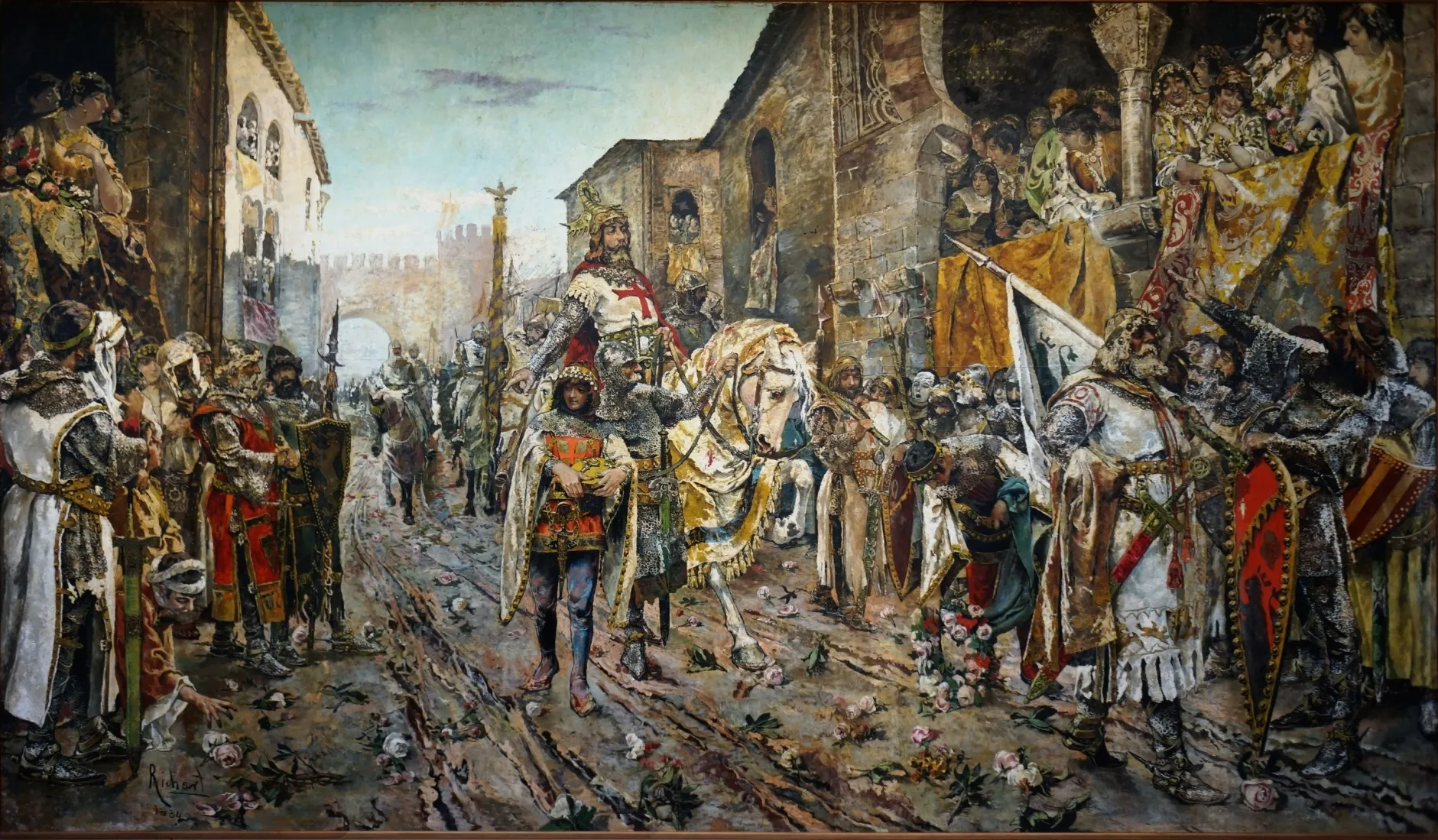
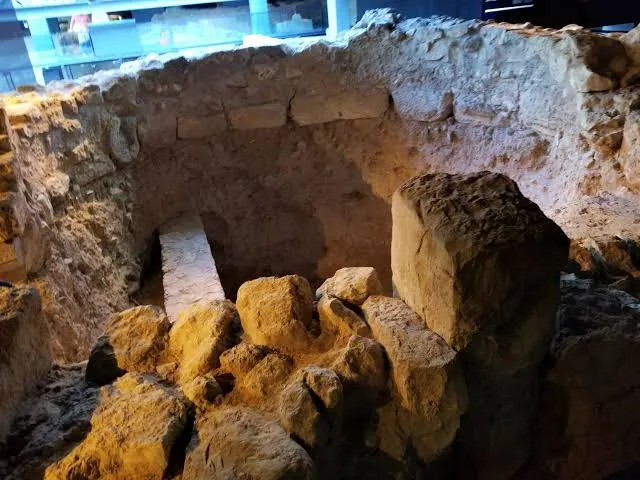
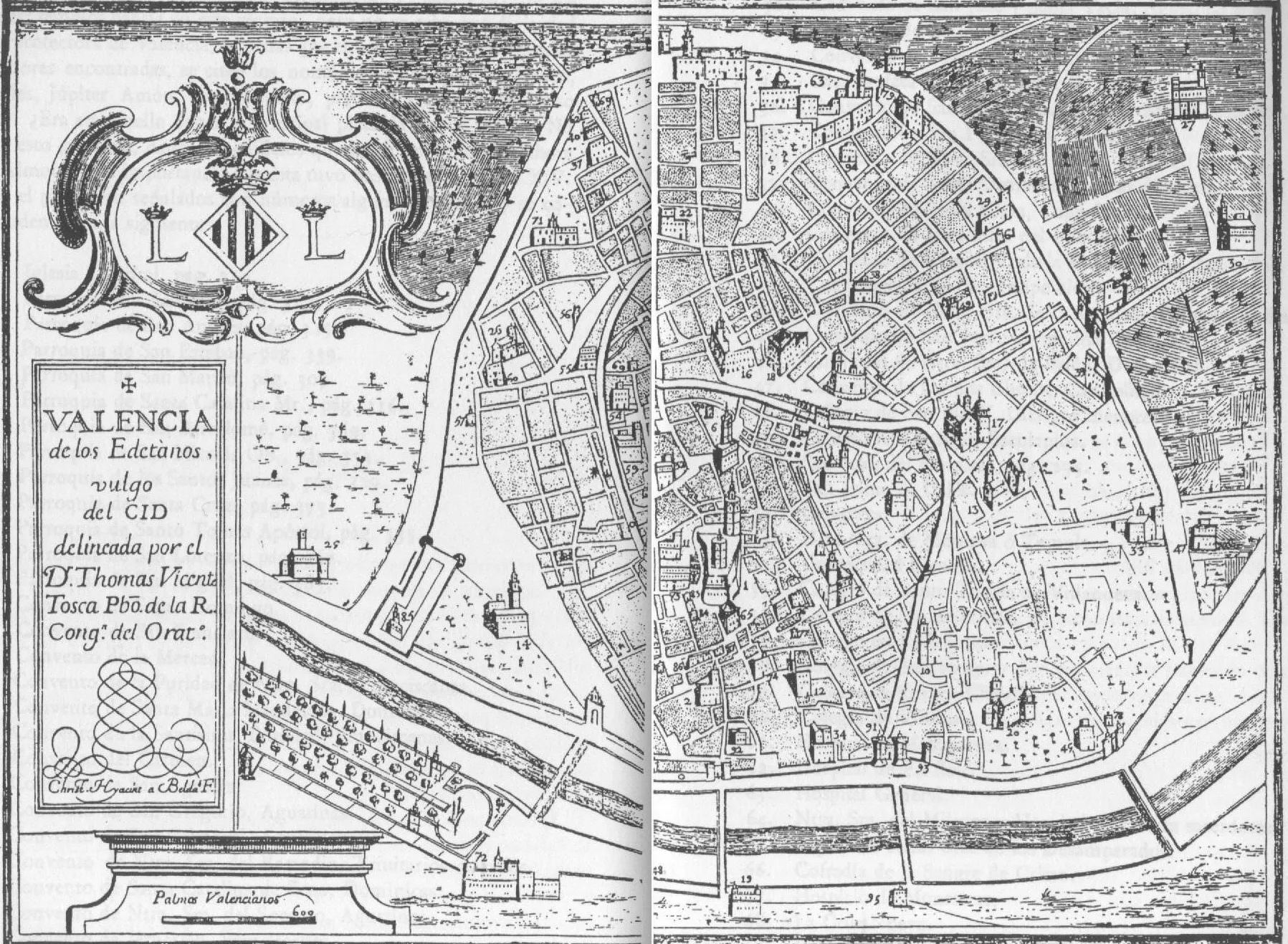
Long before today’s tram lines and contemporary museums, Valencia began as a Roman colony founded in 138 BCE under the name Valentia Edetanorum. It grew in a fertile plain near the Turia River, connected to inland routes and maritime exchange. Across centuries, the city passed through Visigothic, Islamic, and Christian phases, each leaving visible marks in street patterns, architecture, language, and civic memory. Walking through central Valencia today, you can still sense these overlapping worlds: arches and stones from different eras coexist naturally with cafés, bookstores, bike lanes, and local markets.
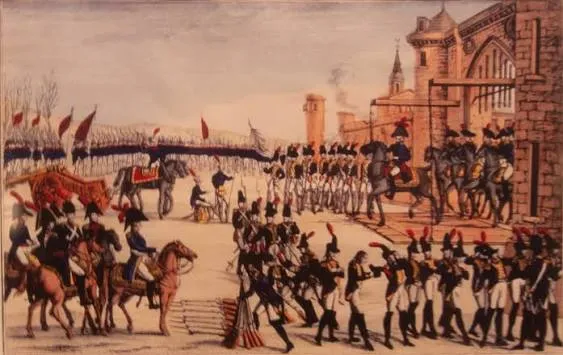
After the Christian reconquest in the 13th century, Valencia became a major Mediterranean center of commerce, law, and culture. In the late medieval and early modern periods it developed guild systems, literary traditions, and a strong civic identity that continues to shape local pride. The 19th and 20th centuries brought industrial growth, social change, and urban expansion, while the late 20th century and early 21st redefined the city through public space, mobility, and cultural infrastructure. This long historical arc is exactly why the Valencia City Card feels so practical: it connects a city that is not one monument, but an evolving collection of historical layers and living neighborhoods.
Ciutat Vella: stones that remember empires
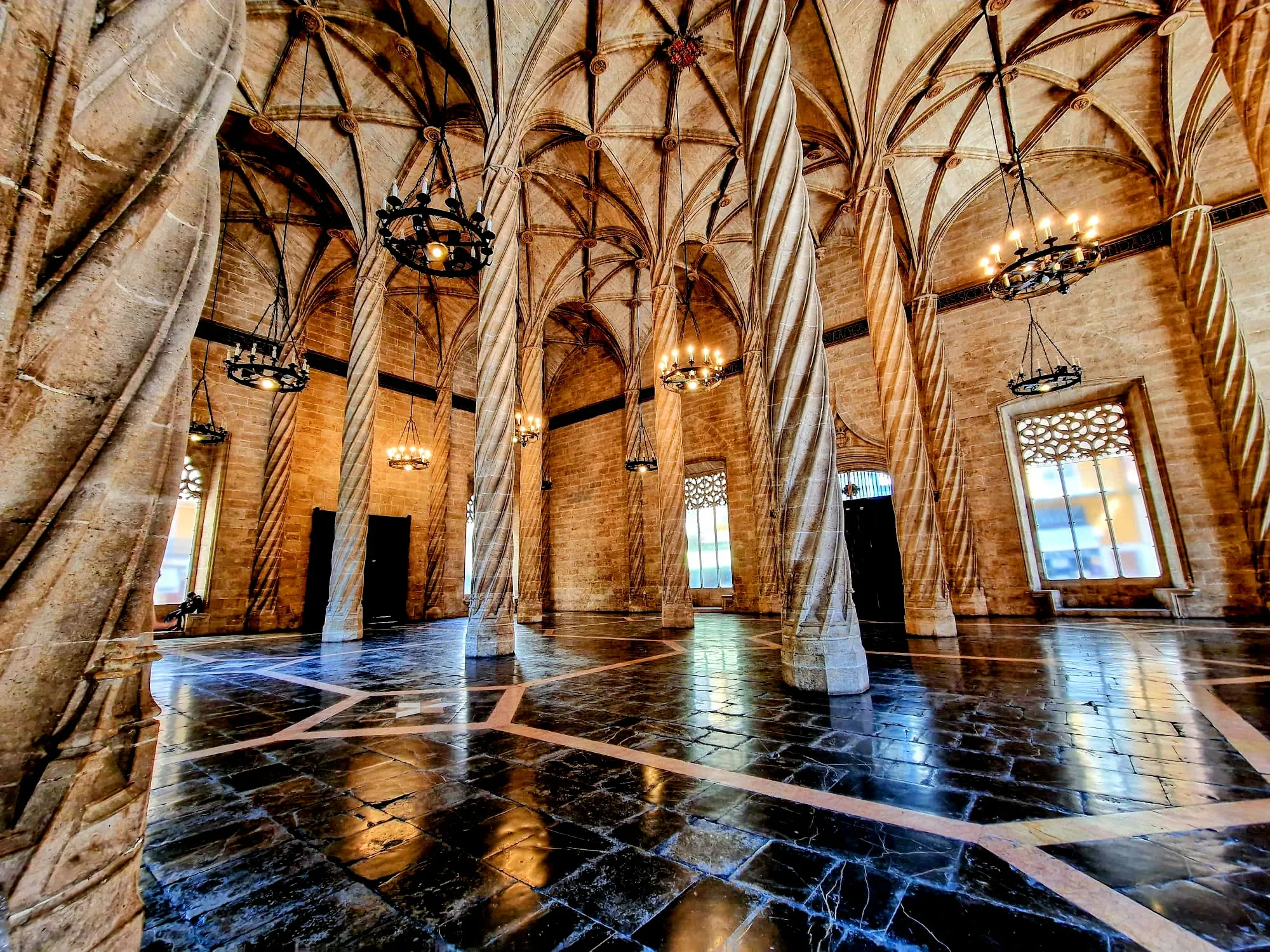
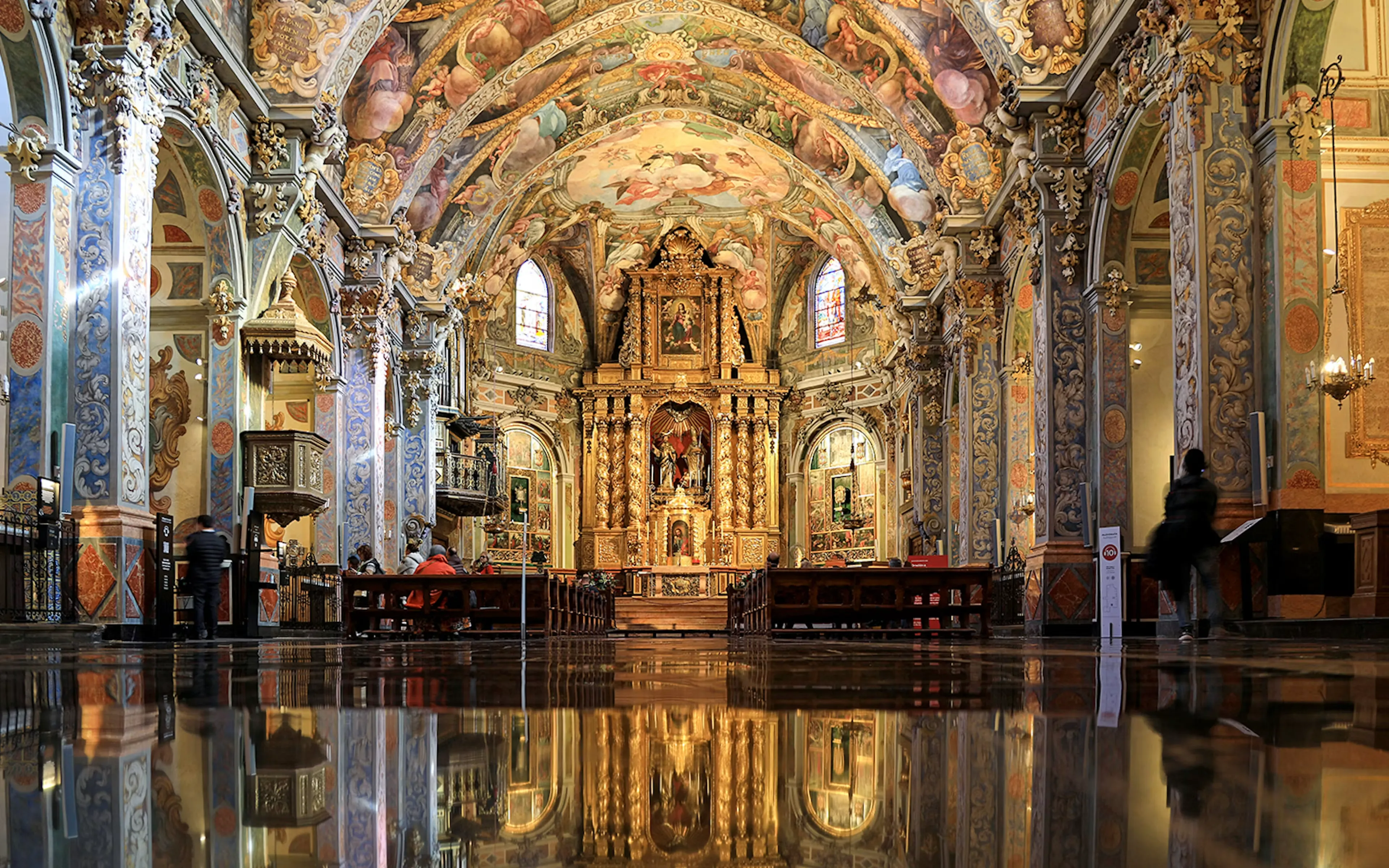
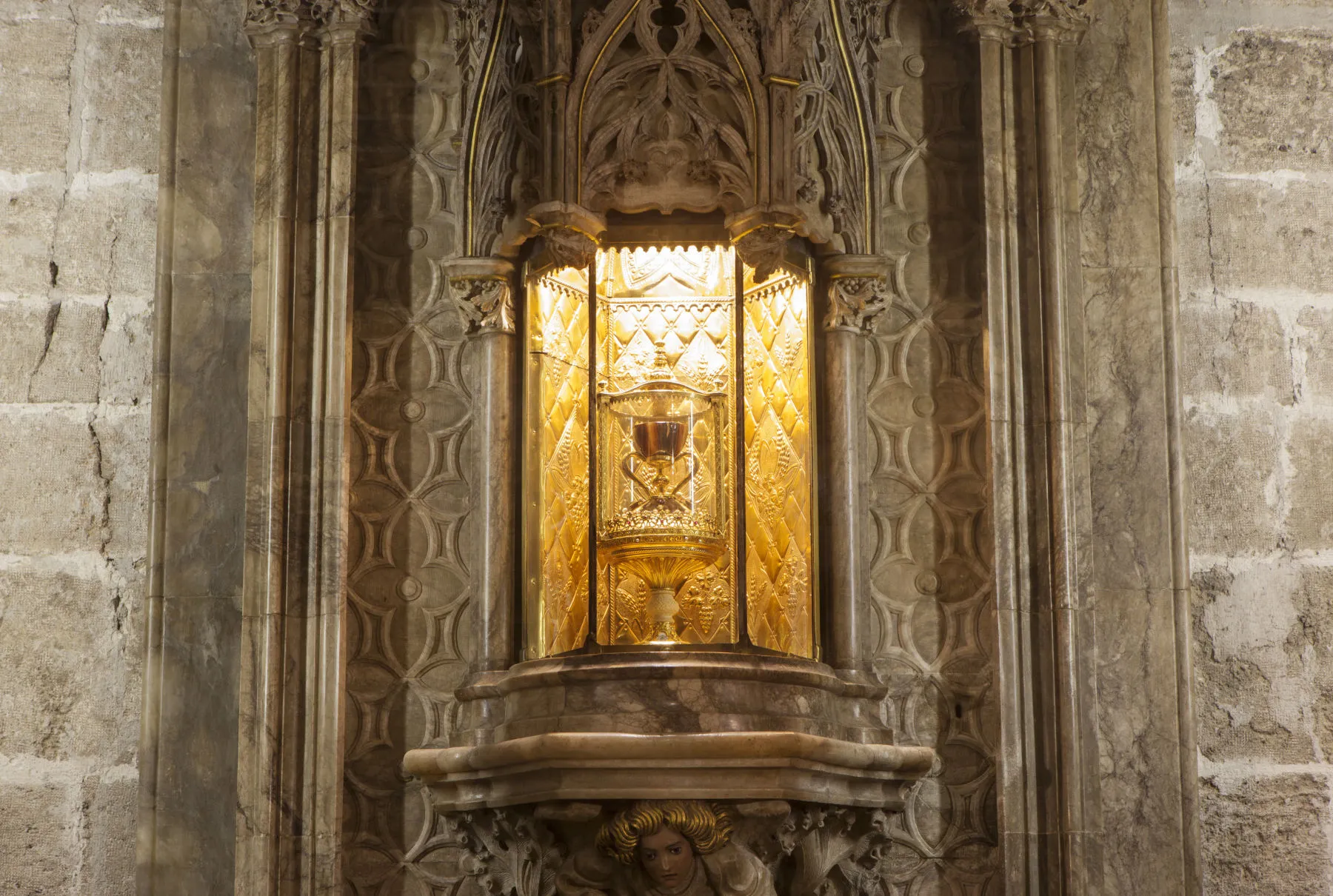
Valencia’s old town, Ciutat Vella, feels like a conversation between centuries. Roman remains, medieval towers, Gothic buildings, and Baroque details appear within a few minutes of walking. Around the cathedral and surrounding squares, you encounter one of the city’s most symbolic spaces: a place where religious history, civic rituals, and everyday life meet. Nearby, La Lonja de la Seda, the extraordinary Silk Exchange and UNESCO World Heritage Site, reminds visitors that Valencia was not a peripheral town but a powerful economic and cultural hub deeply connected to Mediterranean trade networks.
Yet Ciutat Vella is not a museum district frozen in time. In the same streets where merchants once negotiated silk and spices, today you hear students, cyclists, market vendors, and families weaving through modern routines. The Valencia City Card is particularly useful here: distances are short but rich with detours, and combining walking with quick public transport transfers helps you explore deeply without fatigue. You can linger in shaded plazas, step into museums spontaneously, and still keep the day flowing with minimal logistical friction.
Markets, silk, and the pulse of trade
To understand Valencia’s civic character, spend time in its market culture. The Central Market, one of Europe’s great modernist food markets, is more than a photogenic stop: it is a living institution where local habits are visible in real time. Fishmongers calling out the morning catch, families choosing produce, chefs sourcing ingredients, and neighbors exchanging news reveal a city where food and social life are inseparable. Historically, this continuity reflects Valencia’s role as an agricultural and trading center, supported by fertile huerta lands and centuries of exchange.
The Silk Exchange nearby adds historical depth to this daily scene. In late medieval and Renaissance periods, silk production and trade helped position Valencia as a major Mediterranean actor with international economic reach. Today, that mercantile legacy survives less in cargo manifests and more in urban mentality: practical, open, entrepreneurial, and outward-looking. Using the City Card to connect markets, museums, and historic sites in one itinerary allows visitors to see not isolated attractions, but a coherent urban story shaped by commerce, craft, and community.
From river city to garden city
One of Valencia’s most fascinating urban transformations began with a river. After the devastating 1957 flood, the Turia River was diverted, and the former riverbed eventually became an extraordinary linear park crossing much of the city. What could have become a traffic corridor instead evolved into Turia Gardens: a green artery with sports areas, cultural spaces, playgrounds, and quiet walking paths. This decision changed not only the city’s landscape but also its daily life, creating shared public space at metropolitan scale.
For visitors, Turia Gardens functions like a natural connector between historical and contemporary Valencia. You can start near medieval towers, walk through tree-lined sections, and arrive at major museums and modern architecture without ever leaving a pleasant pedestrian environment. The City Card complements this beautifully: use transport for longer jumps, then enjoy the gardens at human pace. It is a practical example of how Valencia blends planning, quality of life, and cultural access into one experience.
The sea, the port, and Mediterranean life
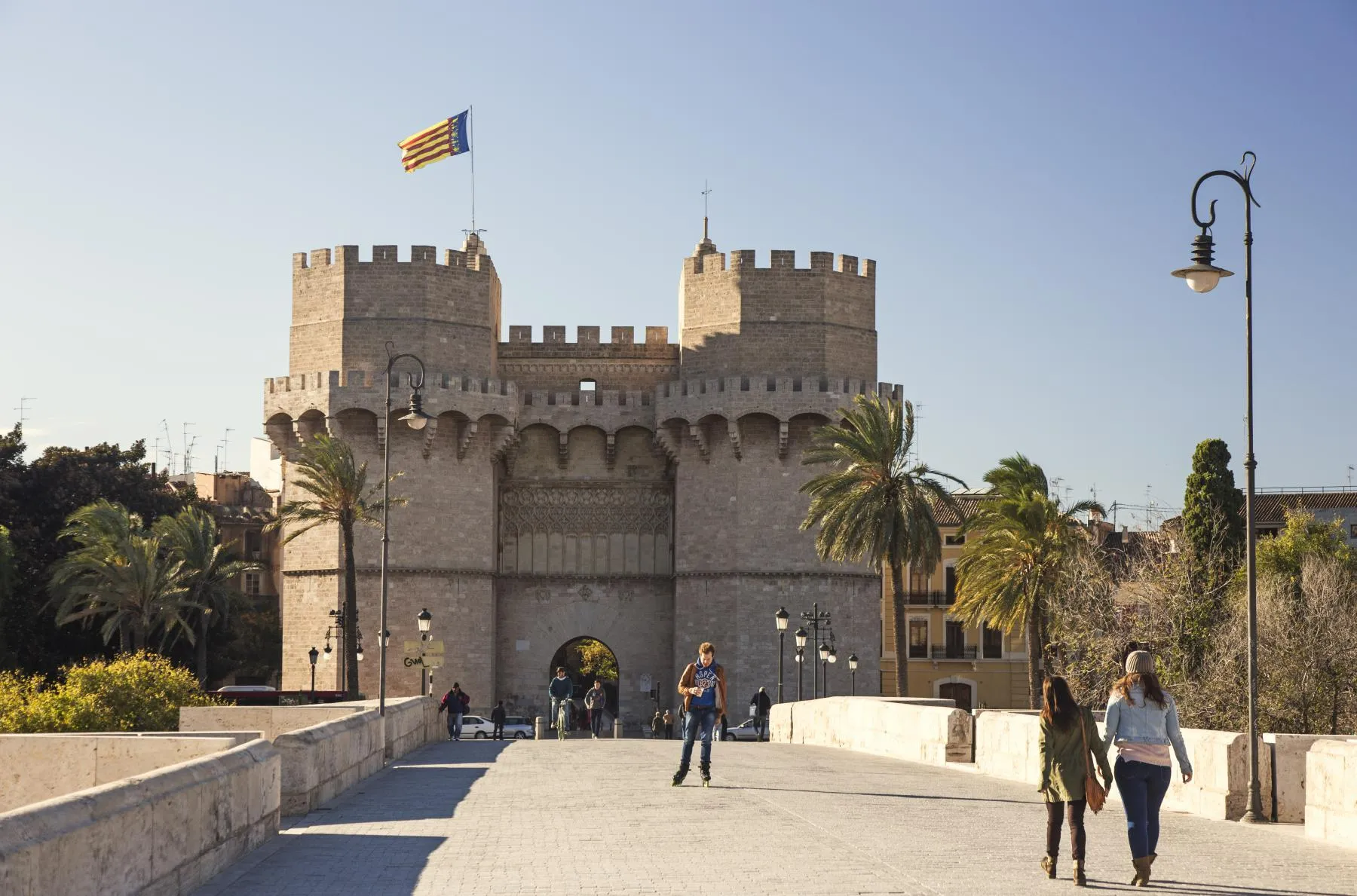
Valencia’s relationship with the sea is central to its identity. The port has long connected the city to wider Mediterranean and global networks, shaping economy, migration, cuisine, and social life. In recent decades, seafront zones and marina areas have been progressively regenerated, balancing industry, leisure, culture, and public access. The result is a coastline where local life and visitor experiences overlap naturally: joggers at sunrise, families on the promenade, restaurants serving rice dishes, and event spaces that bring new energy to former industrial edges.
With a City Card-based itinerary, reaching these coastal areas is straightforward, even if you stay in the historic center. This matters because Valencia’s essence is incomplete without its maritime dimension. A full understanding of the city includes both cathedral squares and beach light, both market alleys and open horizons. The easy transition between inland heritage and seafront atmosphere is one of Valencia’s quiet strengths, and public transport connectivity is what makes that transition genuinely accessible.
Innovation and the City of Arts and Sciences
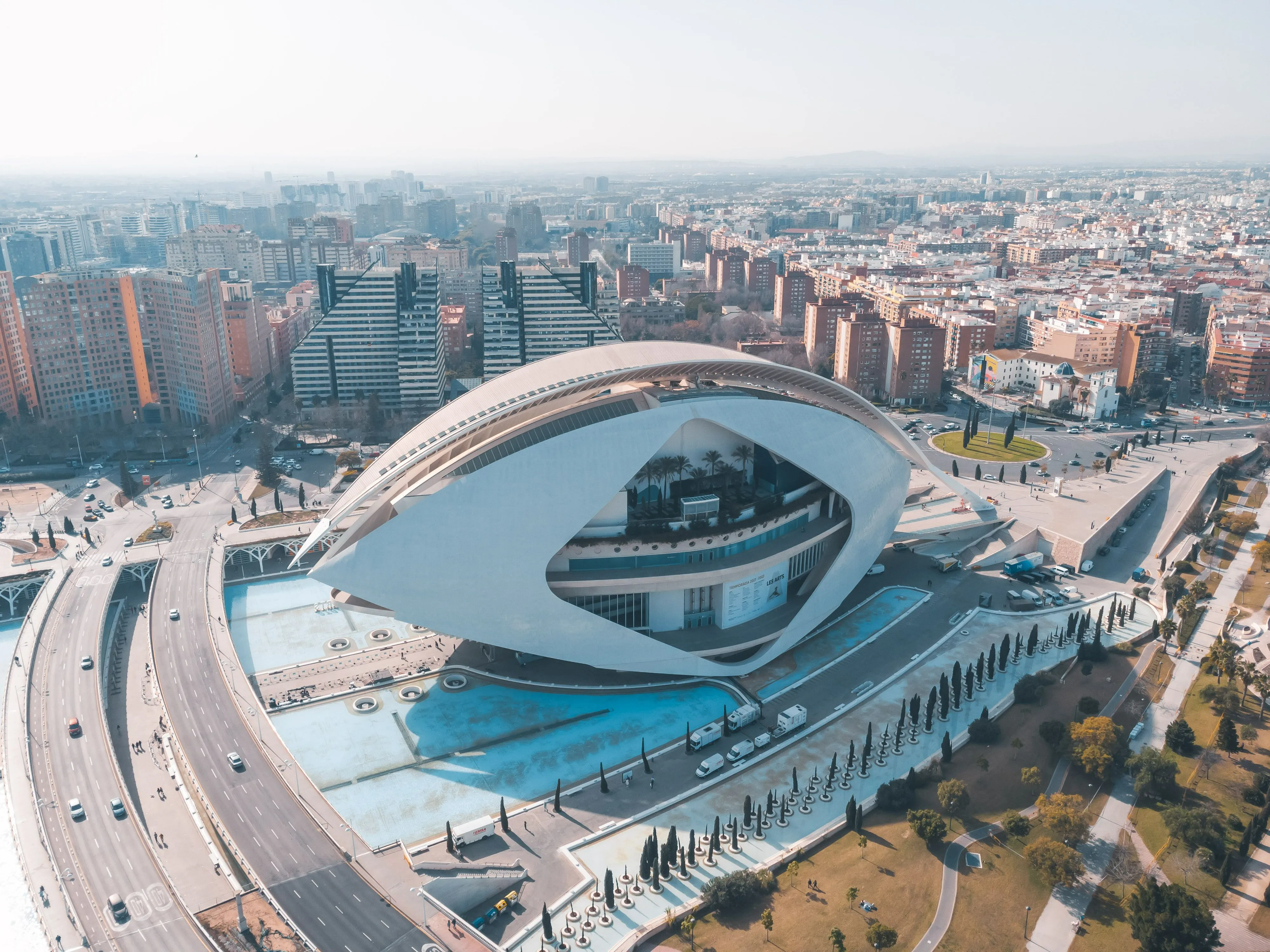
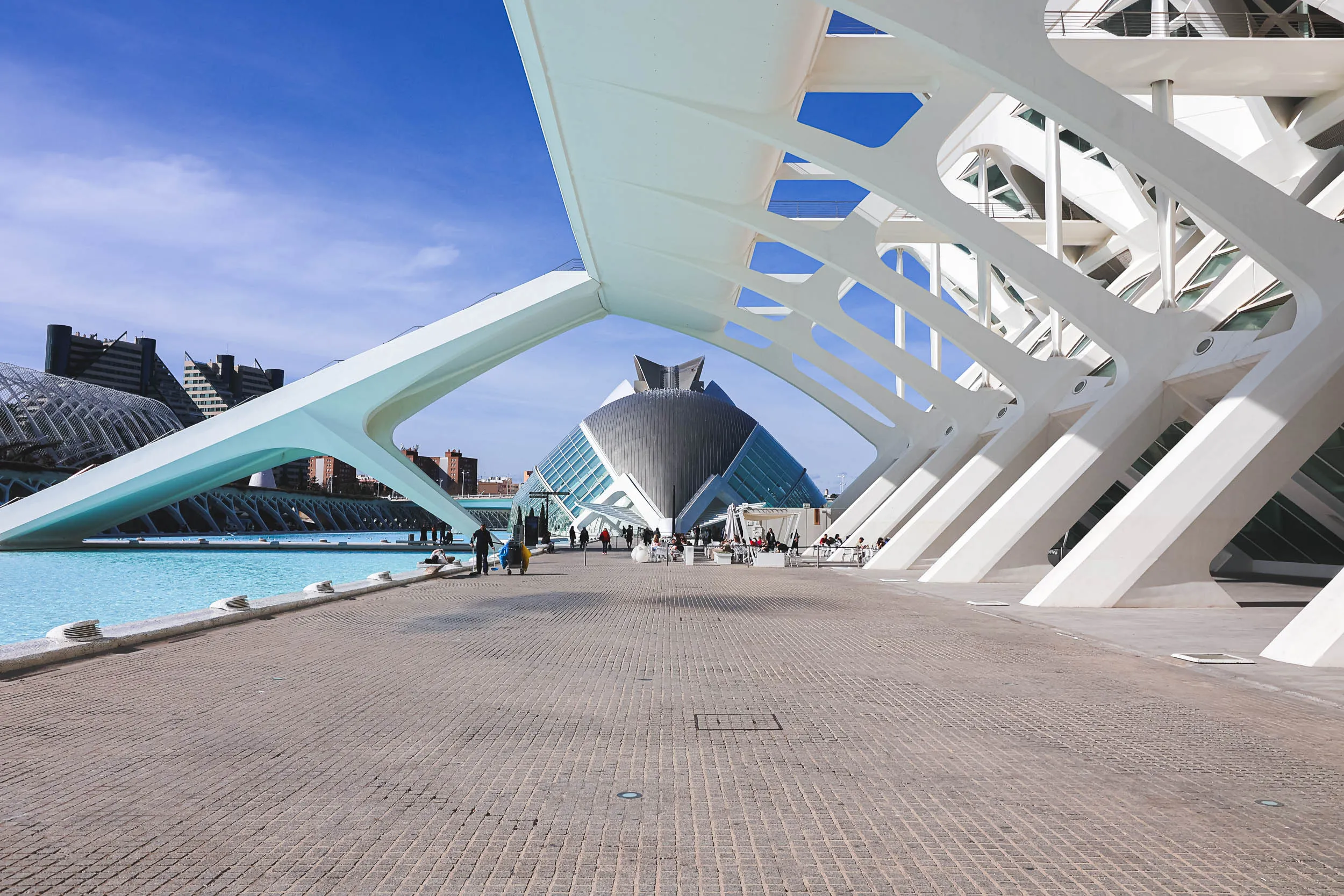
No contemporary image of Valencia is more recognizable than the City of Arts and Sciences. This architectural complex transformed former peripheral space into a global symbol of design ambition, scientific outreach, and cultural programming. Its monumental forms, water reflections, and wide-open layouts produce a cinematic urban landscape that contrasts strongly with the compact old town, yet both belong to the same civic narrative: a city comfortable with tradition and experimentation at once.
Visiting this area with the City Card strategy means balancing iconic architecture with practical time management. It is easy to underestimate distances, queue times, and exhibition durations. A flexible transport pass helps you adapt on the fly: arrive early for major venues, pause in shaded areas during hot hours, and continue later to another district without worrying about extra fare decisions. In this sense, the card does more than save money; it protects momentum throughout the day.
Neighborhood rhythms and local identity
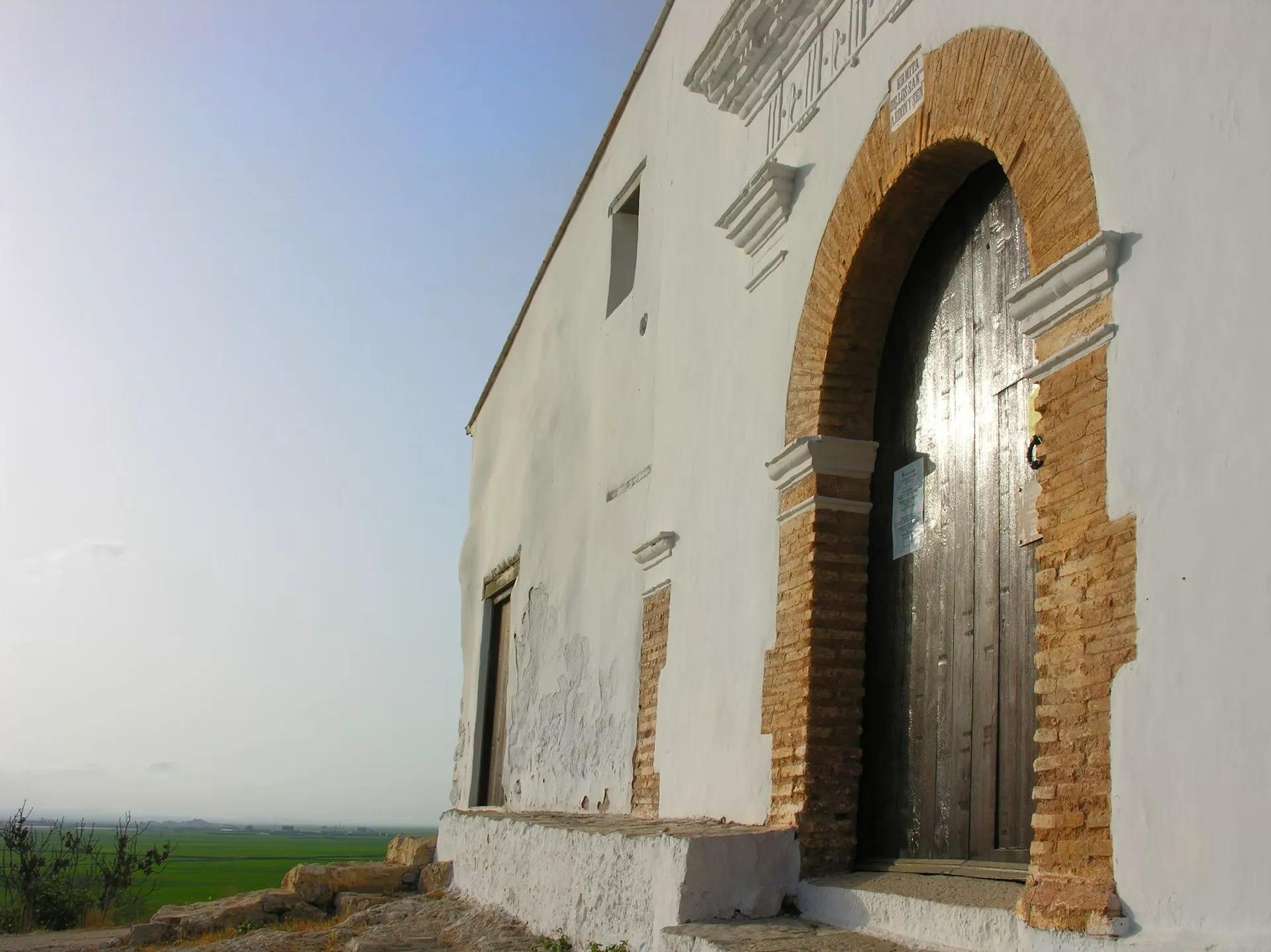
Beyond headline attractions, Valencia’s personality lives in its neighborhoods. Ruzafa brings creative energy, cafés, and contemporary culture; Benimaclet offers a more local, student-influenced rhythm; El Cabanyal near the coast reflects historic fishermen roots and ongoing urban renewal debates. Each district has its own tone, architecture, and social tempo. Exploring this variety helps visitors avoid the common trap of seeing only postcard landmarks.
The City Card supports this deeper exploration by making short, repeated movements easy. Instead of planning one giant linear route, you can build a mosaic day: old town morning, neighborhood lunch, museum afternoon, seafront sunset. This layered approach often produces richer memories because it mirrors how residents actually use the city. Valencia is not one center radiating outward; it is a network of lived places, each contributing to the whole.
Accessibility, safety, and practical comfort
Valencia is generally considered a comfortable city for visitors, with broad promenades in many areas, modernized transport segments, and a strong pedestrian culture. Even so, practical awareness matters. Keep essentials secure in crowded zones, watch for cyclists in shared paths, and allow extra crossing time near busy intersections. During summer, hydration and shade planning are not optional details but core parts of a successful day.
Accessibility continues to improve across transport and cultural venues, though real conditions can still vary by station design, lift availability, pavement quality, and temporary works. If mobility needs are specific, pre-checking routes and attraction accessibility notes can make a significant difference. The advantage of the City Card is flexibility: if one plan becomes impractical, you can pivot quickly to an alternative route or museum without feeling locked into costly single-use tickets.
Festivals, Fallas, and civic celebration
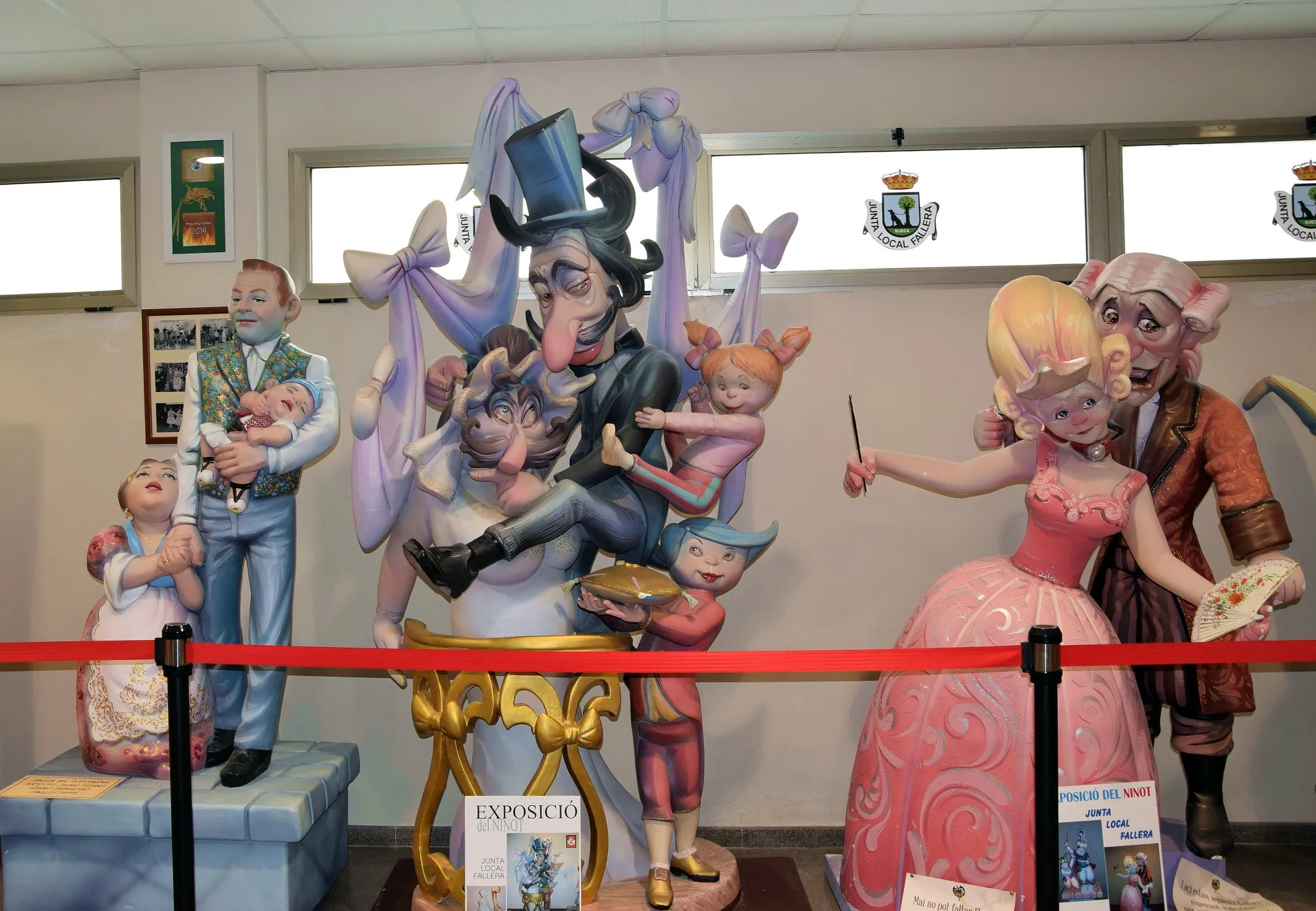
Valencia’s cultural calendar is one of its most defining traits, and Las Fallas is the most famous expression of that identity. More than a festival, it is a city-scale social event blending satire, craftsmanship, pyrotechnics, neighborhood participation, and collective memory. During Fallas season, streets become stages and daily routines reorganize around processions, sculptures, music, and fireworks. For visitors, this can be exhilarating and overwhelming at the same time, which makes flexible mobility especially valuable.
Beyond Fallas, Valencia hosts concerts, local fairs, religious celebrations, gastronomy events, and contemporary cultural programming throughout the year. What stands out is how public space is used as shared civic theater: plazas, promenades, and gardens become venues where locals and visitors coexist. With the City Card, you can adapt to spontaneous opportunities, moving quickly between event zones and quieter neighborhoods according to your energy, interests, and crowd tolerance.
Using the card wisely: strategy and timing
The best value from the Valencia City Card comes from thoughtful sequencing rather than simply visiting many places quickly. Start by mapping high-priority attractions, checking opening hours, and grouping nearby stops into time blocks. Decide where you want depth versus overview. For example, a focused morning in Ciutat Vella and an afternoon split between Turia and the seaside often works better than trying to cross the city repeatedly without structure.
Also consider activation timing carefully. If you arrive late afternoon, activating immediately may waste potential hours unless you have clear evening plans. Many travelers gain more value by activating the next morning, then using full days efficiently. Keep some flexibility for weather changes, seasonal heat, and queue variations. The card works best when it supports your priorities rather than dictating them.
Heritage protection and urban transformation
Valencia’s growth has required constant negotiation between conservation and change. Restoration projects in churches, civic buildings, and historic facades preserve material history, while new infrastructure and housing respond to contemporary needs. This tension is not a flaw; it is part of how living cities evolve. The challenge is to modernize without flattening identity, and to welcome visitors without reducing neighborhoods to staged backdrops.
Visitors can contribute positively by choosing official entries, respecting local routines, and distributing time across multiple districts rather than concentrating only in a few hotspots. The City Card can help with this balance: because transport is included, it becomes easier to explore wider areas responsibly, reducing pressure on the most crowded nodes and supporting a more sustainable travel pattern.
Day ideas: old town, gardens, and beach
A rewarding Valencia day often combines three contrasting environments. Start in the historic center for architecture and museum visits, continue through Turia Gardens for a relaxed transition, then finish by the sea for evening light and dinner. This simple arc gives emotional variety and helps avoid fatigue: dense urban history in the morning, open green movement in the afternoon, and coastal calm at sunset.
If you stay longer, use the card to design themed days: one for architecture and heritage, one for science and family attractions, one for neighborhoods and gastronomy. Because transport is included, experimentation becomes easy. You can adjust plans without worrying that each change adds another ticket cost, which encourages curiosity and makes the city feel more approachable.
Why the City Card helps tell Valencia’s story
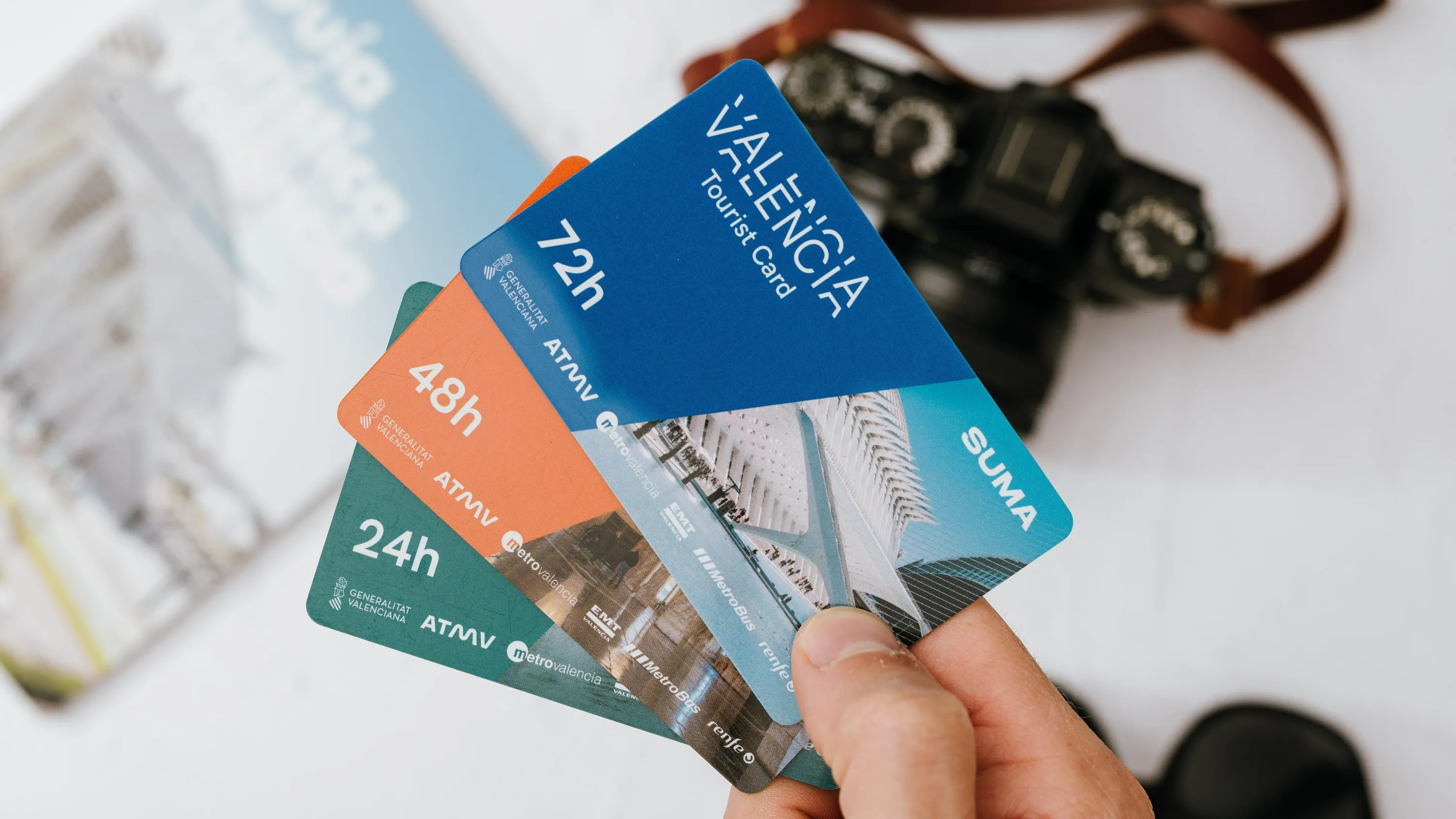
A city card may seem like a simple practical product, but in Valencia it can become a narrative tool. It guides you through places that would otherwise feel disconnected: Roman traces, Gothic civic pride, modernist market culture, avant-garde architecture, neighborhood creativity, and Mediterranean seafront life. Instead of reducing the trip to isolated highlights, it encourages continuity and context.
By the end of your visit, what remains in memory is not just a list of sites, but a rhythm: walking, riding, pausing, tasting, learning, and moving again. The Valencia City Card supports that rhythm with useful structure and generous flexibility. In that sense, it is more than a discount instrument. It is a practical companion for experiencing a city whose richness lies in connections between eras, districts, and everyday life.
Table of Contents
From Valentia to modern Valencia
Long before today’s tram lines and contemporary museums, Valencia began as a Roman colony founded in 138 BCE under the name Valentia Edetanorum. It grew in a fertile plain near the Turia River, connected to inland routes and maritime exchange. Across centuries, the city passed through Visigothic, Islamic, and Christian phases, each leaving visible marks in street patterns, architecture, language, and civic memory. Walking through central Valencia today, you can still sense these overlapping worlds: arches and stones from different eras coexist naturally with cafés, bookstores, bike lanes, and local markets.
After the Christian reconquest in the 13th century, Valencia became a major Mediterranean center of commerce, law, and culture. In the late medieval and early modern periods it developed guild systems, literary traditions, and a strong civic identity that continues to shape local pride. The 19th and 20th centuries brought industrial growth, social change, and urban expansion, while the late 20th century and early 21st redefined the city through public space, mobility, and cultural infrastructure. This long historical arc is exactly why the Valencia City Card feels so practical: it connects a city that is not one monument, but an evolving collection of historical layers and living neighborhoods.
Ciutat Vella: stones that remember empires
Valencia’s old town, Ciutat Vella, feels like a conversation between centuries. Roman remains, medieval towers, Gothic buildings, and Baroque details appear within a few minutes of walking. Around the cathedral and surrounding squares, you encounter one of the city’s most symbolic spaces: a place where religious history, civic rituals, and everyday life meet. Nearby, La Lonja de la Seda, the extraordinary Silk Exchange and UNESCO World Heritage Site, reminds visitors that Valencia was not a peripheral town but a powerful economic and cultural hub deeply connected to Mediterranean trade networks.
Yet Ciutat Vella is not a museum district frozen in time. In the same streets where merchants once negotiated silk and spices, today you hear students, cyclists, market vendors, and families weaving through modern routines. The Valencia City Card is particularly useful here: distances are short but rich with detours, and combining walking with quick public transport transfers helps you explore deeply without fatigue. You can linger in shaded plazas, step into museums spontaneously, and still keep the day flowing with minimal logistical friction.
Markets, silk, and the pulse of trade
To understand Valencia’s civic character, spend time in its market culture. The Central Market, one of Europe’s great modernist food markets, is more than a photogenic stop: it is a living institution where local habits are visible in real time. Fishmongers calling out the morning catch, families choosing produce, chefs sourcing ingredients, and neighbors exchanging news reveal a city where food and social life are inseparable. Historically, this continuity reflects Valencia’s role as an agricultural and trading center, supported by fertile huerta lands and centuries of exchange.
The Silk Exchange nearby adds historical depth to this daily scene. In late medieval and Renaissance periods, silk production and trade helped position Valencia as a major Mediterranean actor with international economic reach. Today, that mercantile legacy survives less in cargo manifests and more in urban mentality: practical, open, entrepreneurial, and outward-looking. Using the City Card to connect markets, museums, and historic sites in one itinerary allows visitors to see not isolated attractions, but a coherent urban story shaped by commerce, craft, and community.
From river city to garden city
One of Valencia’s most fascinating urban transformations began with a river. After the devastating 1957 flood, the Turia River was diverted, and the former riverbed eventually became an extraordinary linear park crossing much of the city. What could have become a traffic corridor instead evolved into Turia Gardens: a green artery with sports areas, cultural spaces, playgrounds, and quiet walking paths. This decision changed not only the city’s landscape but also its daily life, creating shared public space at metropolitan scale.
For visitors, Turia Gardens functions like a natural connector between historical and contemporary Valencia. You can start near medieval towers, walk through tree-lined sections, and arrive at major museums and modern architecture without ever leaving a pleasant pedestrian environment. The City Card complements this beautifully: use transport for longer jumps, then enjoy the gardens at human pace. It is a practical example of how Valencia blends planning, quality of life, and cultural access into one experience.
The sea, the port, and Mediterranean life
Valencia’s relationship with the sea is central to its identity. The port has long connected the city to wider Mediterranean and global networks, shaping economy, migration, cuisine, and social life. In recent decades, seafront zones and marina areas have been progressively regenerated, balancing industry, leisure, culture, and public access. The result is a coastline where local life and visitor experiences overlap naturally: joggers at sunrise, families on the promenade, restaurants serving rice dishes, and event spaces that bring new energy to former industrial edges.
With a City Card-based itinerary, reaching these coastal areas is straightforward, even if you stay in the historic center. This matters because Valencia’s essence is incomplete without its maritime dimension. A full understanding of the city includes both cathedral squares and beach light, both market alleys and open horizons. The easy transition between inland heritage and seafront atmosphere is one of Valencia’s quiet strengths, and public transport connectivity is what makes that transition genuinely accessible.
Innovation and the City of Arts and Sciences
No contemporary image of Valencia is more recognizable than the City of Arts and Sciences. This architectural complex transformed former peripheral space into a global symbol of design ambition, scientific outreach, and cultural programming. Its monumental forms, water reflections, and wide-open layouts produce a cinematic urban landscape that contrasts strongly with the compact old town, yet both belong to the same civic narrative: a city comfortable with tradition and experimentation at once.
Visiting this area with the City Card strategy means balancing iconic architecture with practical time management. It is easy to underestimate distances, queue times, and exhibition durations. A flexible transport pass helps you adapt on the fly: arrive early for major venues, pause in shaded areas during hot hours, and continue later to another district without worrying about extra fare decisions. In this sense, the card does more than save money; it protects momentum throughout the day.
Neighborhood rhythms and local identity
Beyond headline attractions, Valencia’s personality lives in its neighborhoods. Ruzafa brings creative energy, cafés, and contemporary culture; Benimaclet offers a more local, student-influenced rhythm; El Cabanyal near the coast reflects historic fishermen roots and ongoing urban renewal debates. Each district has its own tone, architecture, and social tempo. Exploring this variety helps visitors avoid the common trap of seeing only postcard landmarks.
The City Card supports this deeper exploration by making short, repeated movements easy. Instead of planning one giant linear route, you can build a mosaic day: old town morning, neighborhood lunch, museum afternoon, seafront sunset. This layered approach often produces richer memories because it mirrors how residents actually use the city. Valencia is not one center radiating outward; it is a network of lived places, each contributing to the whole.
Accessibility, safety, and practical comfort
Valencia is generally considered a comfortable city for visitors, with broad promenades in many areas, modernized transport segments, and a strong pedestrian culture. Even so, practical awareness matters. Keep essentials secure in crowded zones, watch for cyclists in shared paths, and allow extra crossing time near busy intersections. During summer, hydration and shade planning are not optional details but core parts of a successful day.
Accessibility continues to improve across transport and cultural venues, though real conditions can still vary by station design, lift availability, pavement quality, and temporary works. If mobility needs are specific, pre-checking routes and attraction accessibility notes can make a significant difference. The advantage of the City Card is flexibility: if one plan becomes impractical, you can pivot quickly to an alternative route or museum without feeling locked into costly single-use tickets.
Festivals, Fallas, and civic celebration
Valencia’s cultural calendar is one of its most defining traits, and Las Fallas is the most famous expression of that identity. More than a festival, it is a city-scale social event blending satire, craftsmanship, pyrotechnics, neighborhood participation, and collective memory. During Fallas season, streets become stages and daily routines reorganize around processions, sculptures, music, and fireworks. For visitors, this can be exhilarating and overwhelming at the same time, which makes flexible mobility especially valuable.
Beyond Fallas, Valencia hosts concerts, local fairs, religious celebrations, gastronomy events, and contemporary cultural programming throughout the year. What stands out is how public space is used as shared civic theater: plazas, promenades, and gardens become venues where locals and visitors coexist. With the City Card, you can adapt to spontaneous opportunities, moving quickly between event zones and quieter neighborhoods according to your energy, interests, and crowd tolerance.
Using the card wisely: strategy and timing
The best value from the Valencia City Card comes from thoughtful sequencing rather than simply visiting many places quickly. Start by mapping high-priority attractions, checking opening hours, and grouping nearby stops into time blocks. Decide where you want depth versus overview. For example, a focused morning in Ciutat Vella and an afternoon split between Turia and the seaside often works better than trying to cross the city repeatedly without structure.
Also consider activation timing carefully. If you arrive late afternoon, activating immediately may waste potential hours unless you have clear evening plans. Many travelers gain more value by activating the next morning, then using full days efficiently. Keep some flexibility for weather changes, seasonal heat, and queue variations. The card works best when it supports your priorities rather than dictating them.
Heritage protection and urban transformation
Valencia’s growth has required constant negotiation between conservation and change. Restoration projects in churches, civic buildings, and historic facades preserve material history, while new infrastructure and housing respond to contemporary needs. This tension is not a flaw; it is part of how living cities evolve. The challenge is to modernize without flattening identity, and to welcome visitors without reducing neighborhoods to staged backdrops.
Visitors can contribute positively by choosing official entries, respecting local routines, and distributing time across multiple districts rather than concentrating only in a few hotspots. The City Card can help with this balance: because transport is included, it becomes easier to explore wider areas responsibly, reducing pressure on the most crowded nodes and supporting a more sustainable travel pattern.
Day ideas: old town, gardens, and beach
A rewarding Valencia day often combines three contrasting environments. Start in the historic center for architecture and museum visits, continue through Turia Gardens for a relaxed transition, then finish by the sea for evening light and dinner. This simple arc gives emotional variety and helps avoid fatigue: dense urban history in the morning, open green movement in the afternoon, and coastal calm at sunset.
If you stay longer, use the card to design themed days: one for architecture and heritage, one for science and family attractions, one for neighborhoods and gastronomy. Because transport is included, experimentation becomes easy. You can adjust plans without worrying that each change adds another ticket cost, which encourages curiosity and makes the city feel more approachable.
Why the City Card helps tell Valencia’s story
A city card may seem like a simple practical product, but in Valencia it can become a narrative tool. It guides you through places that would otherwise feel disconnected: Roman traces, Gothic civic pride, modernist market culture, avant-garde architecture, neighborhood creativity, and Mediterranean seafront life. Instead of reducing the trip to isolated highlights, it encourages continuity and context.
By the end of your visit, what remains in memory is not just a list of sites, but a rhythm: walking, riding, pausing, tasting, learning, and moving again. The Valencia City Card supports that rhythm with useful structure and generous flexibility. In that sense, it is more than a discount instrument. It is a practical companion for experiencing a city whose richness lies in connections between eras, districts, and everyday life.